
From the Vaults: Let It Be
The Giants Take Their Parting Shot

Derek Taylor played oracle in Beatles for Sale’s liner notes. “The kids of AD 2000 will draw from the music much the same sense of well being and warmth as we do today.” Likely a slice of pitchman’s hype, as Taylor served as the Beatles’ press envoy. Yet that prediction bore out in 2000 and still bears out today. The Beatles, especially their head-spinning late run, proved that good tunes stick in the collective memory. If I said a Beatles album was underrated, especially one released in the wake of Rubber Soul’s Copernican revolution, you might find the claim outlandish. For six of the seven albums they released during their mature period, I’d agree. Yet Let It Be stands as the shattering exception.
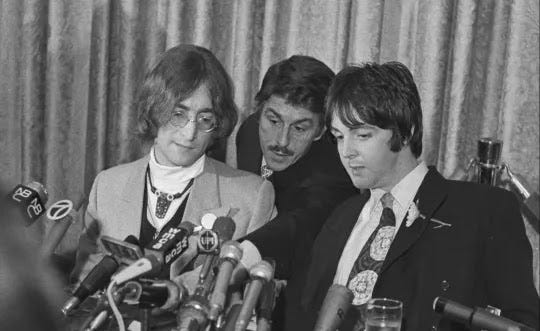
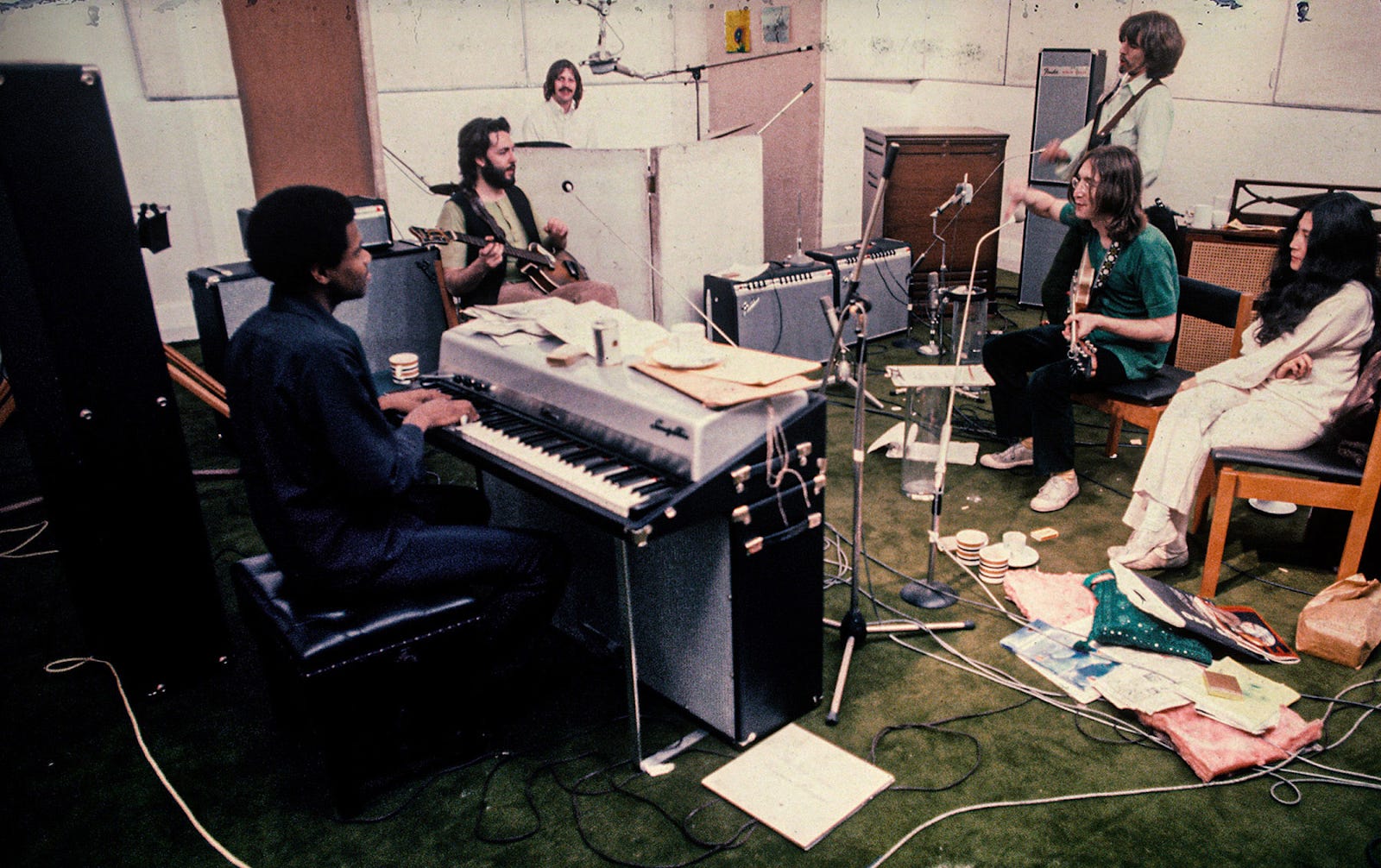
Sure, everyone knows the title tune and “Get Back.” The former’s one of my favorite McCartney ballads, while Lennon’s rubbery guitar highlights the latter. This album’s cover and the rooftop concert that capped its recording remain iconic. Yet it’s the Beatles album with the most room to grow in the public imagination. I’d argue that’s a product of its fraught birth; recorded after the White Album and originally titled Get Back, it sought to reunite the group with their roots. They accompanied it with the eponymous film, which covered both the album’s recording and the aforementioned concert. Alas, our boys found themselves dissatisfied with both the material and the omnipresent cameras. What Beatles associate Peter Brown called “hostile lethargy” caused George to leave the group for a couple days, just like Ringo the album before. So they shoved the unfinished tapes in the drawer and instead crafted their masterpiece, Abbey Road. Only after they broke up did Let It Be see release.
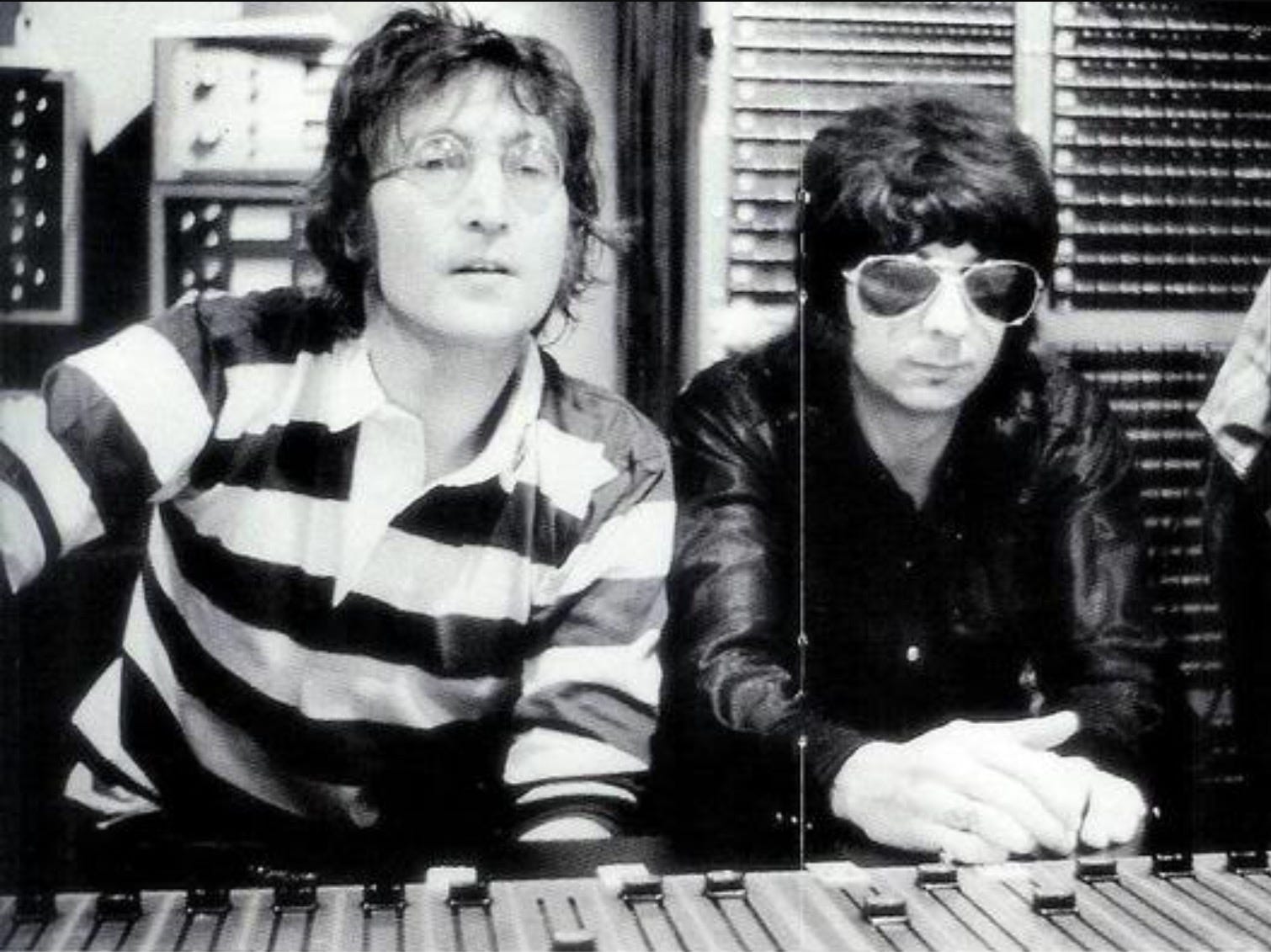
Now, an elephant sits in this room. He’s got a freakishly intense gaze and a bad habit of pulling guns on people and a murder on his conscience, and he produced some of the ‘60s biggest hits. I speak of course of Phil Spector, as strong of a candidate for rock n’ roll heaven (and I’m not even a big fan, but who can deny “You’ve Lost That Lovin’ Feelin’?”) as he is for any hell, religious or otherwise. As the Beatles dissolved into memories and lawsuits, Lennon and Harrison gave Spector the tapes. Phil slathered several tracks with Wall of Sound flourishes, and included the sub-minute throwaways “Dig It” and “Maggie Mae” at the expense of John’s soulful “Don’t Let Me Down.” Those calls will always mystify me; “The Long and Winding Road” wilts under so much needless water, while “Don’t Let Me Down” stands as one of the group’s finest achievements, gentle and grooving and yet shot through with palpable desperation and hope. Billy Preston’s smooth organ plays beautifully against John’s strained vocal.
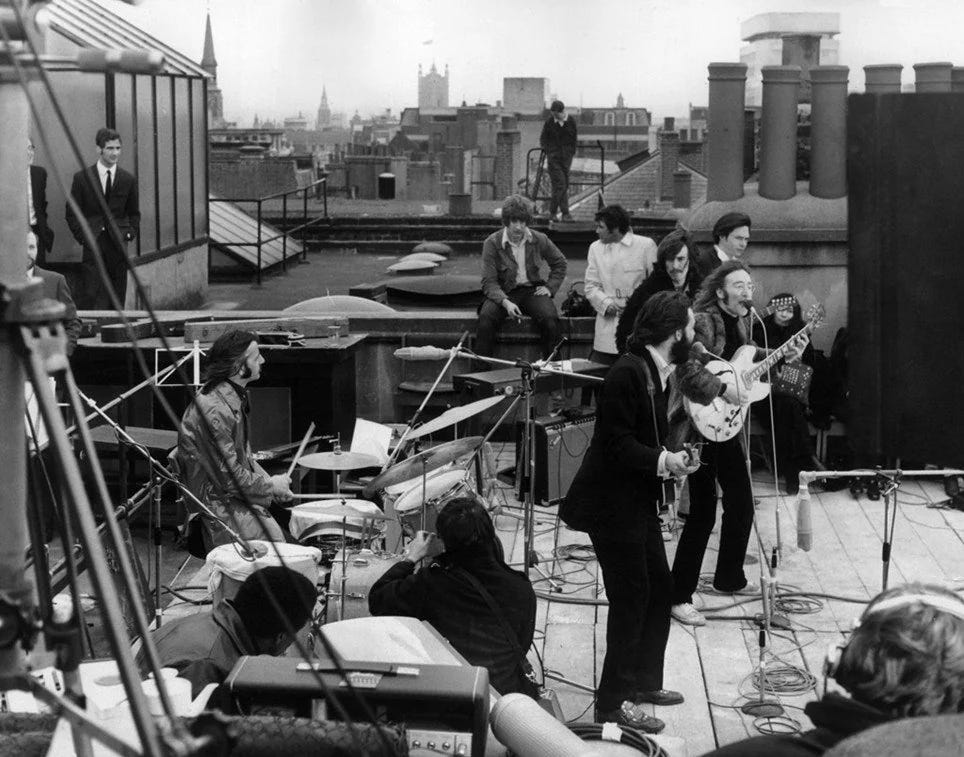
Yet Spector wisely left a few tracks alone, especially those recorded on the roof. “I’ve Got a Feeling,” “One After 909,” and “Dig a Pony” emerge unscathed. Even more than the big hits, they constitute the record’s core. On those songs, the Beatles serve up the no-frills rock n’ roll that inspired them to become a band in the first place. They do a damn fine job of it, too. I’ve always loved “Feeling,” with its swaggering beat and guitar churn; Paul flexes his vocal power to terrific results, and the part where the main melody weaves with John’s “everybody had a hard year” bridge illustrates why their partnership mattered so much. “909” hailed from the Cavern Club days, back when the Beatles hopped themselves up on amphetamines and rocked grimy German stages. It crackles with verve and energy, as does “Pony.” Ringo swings, the guitars come on huge, and the chorus is one of their catchiest.
That’s not to discount the studio material. “Two Of Us” got the “live in the studio” treatment; Spector stays out of its way, so the guitar-bass interplay and the iconic close harmonies shine. It might be my favorite track on the album. “I Me Mine” comes off a little bloated with all those horns, and George’s lyric hits a self-righteous note, but the shift from waltz time to a straight four kicks ass. Anyway, he deepens the group’s rootsy credentials with an impressive slide guitar on “For You Blue,” a skiffle-blues bounce that shows how much this group enjoyed playing for lower stakes. “Across the Universe” recalls Pepper’s psychedelic artsiness in fine style. The trappings enhance the spacy sound, Lennon’s mantra granted ample space to echo around a cosmos built on strings and choirs.
I’ll admit I went into Let It Be with a leg up. As is so often the case, this story stretches beyond the album’s tracklist, or even its time on the charts. McCartney so loathed Spector’s production that he released his own mix in ‘03. Folks freaked; per Pitchfork’s contemporary review: “Paul McCartney is a smug, charmless fuck.” Some felt offended by the mere possibility of Macca changing a Beatles album, while others suspected him of cash grabbery. Yet as a twelve-year-old Beatlemaniac who bought Naked around its release, I was amped, especially since I’d never heard the original. Without context or history or expectations, I only heard an album I liked. Ain’t no angry purist on Earth can take that from me. I got “The Long and Winding Road” as Macca intended, and its gentle arrangement gives its lovely melody its fullest flight. Plus “Don’t Let Me Down” made the album in the place of the goof-offs. These wise changes vindicate the rerelease, and for that matter the original project.
Sources I Couldn’t Hyperlink
Peter Brown & Steven Gaines, the Love You Make: An Insider’s Story of the Beatles. Full disclosure, I’ve never read the book in question; I found the quote on Wikipedia and couldn’t resist dropping it in, so I’m placing trust in whoever wrote the Let It Be article. For the record, Peter Brown served as an executive for the ill-fated Apple Corps.
Peter Jackson, The Beatles: Get Back. This film, curated from Let It Be’s raw footage, served as my main source in describing the tense sessions. It’s excellent. You see them struggle with songs, feud and reconcile with George, and all get a big ol’ lift from Preston. And, of course, the sheer wild satisfaction of the rooftop concert. It’s nine hours of the most engaging cinema, or your pizza’s free.